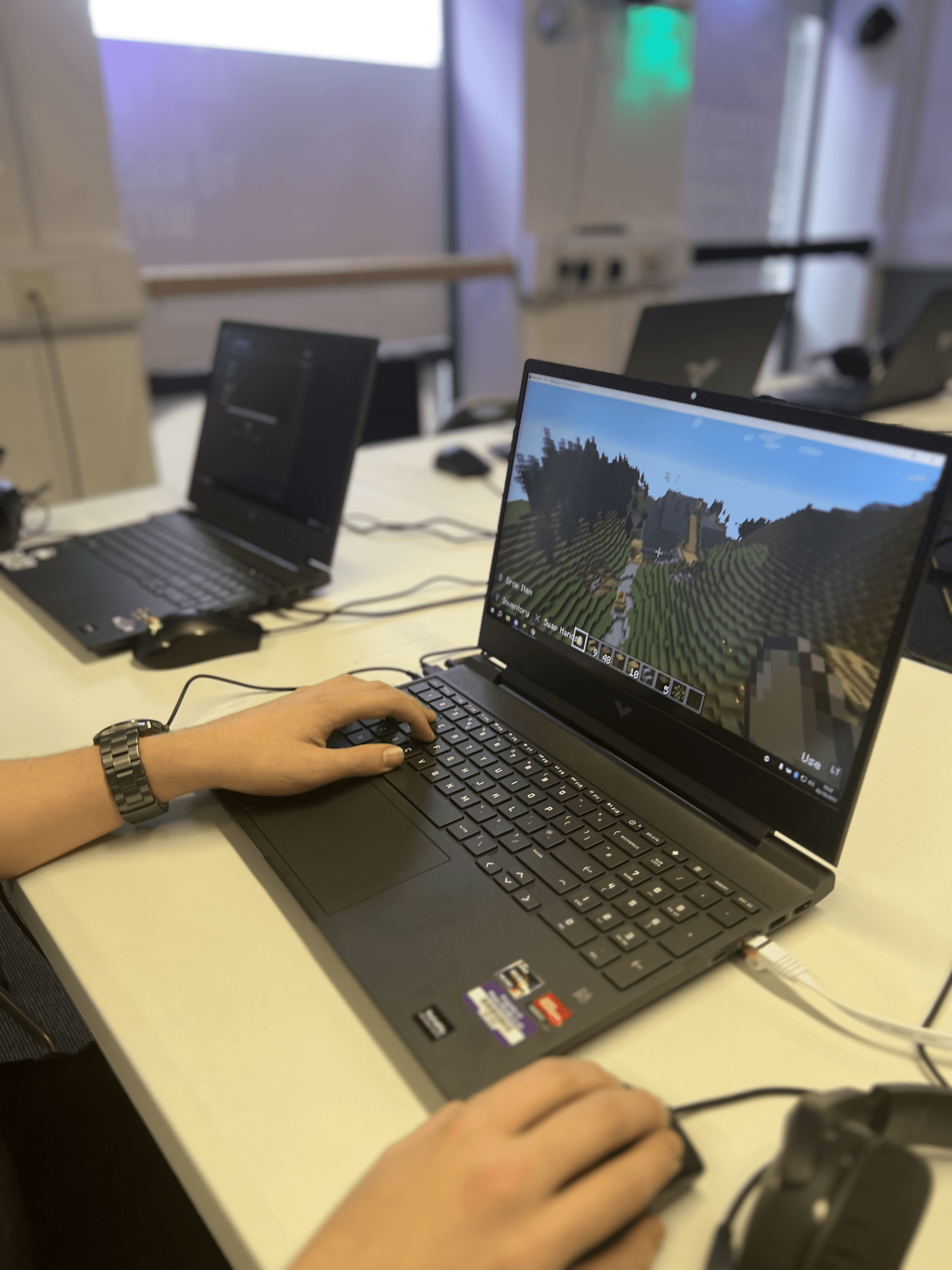
There's a moment most parents know well. Your child has been on a screen for what feels like an eternity. You ask them to stop. They don't. You ask again, louder. It escalates. And somewhere in the back of your mind, a little voice whispers: am I ruining my child by letting them play this much?
Let's have an honest conversation about that.
Not All Screen Time Is Equal
The phrase "screen time" is doing a lot of heavy lifting. It lumps together passively scrolling TikTok, binge-watching YouTube, and actively building a working railway system in Minecraft. These are not the same activity. They don't use the same parts of the brain, they don't develop the same skills, and they don't have the same effects.
When a young person is playing Minecraft, they're making decisions constantly. Where to build. What materials to use. How to solve a structural problem. When they're coding in Roblox Studio, they're learning logic, debugging, and computational thinking — skills that show up on the national curriculum under "computer science," except they're learning them voluntarily and having fun doing it.
That's not wasted time. That's skill-building in disguise.
The Skills They're Actually Developing
Here's what we see every week in our coding clubs:
- Problem solving. A Minecraft redstone circuit that doesn't work is a logic puzzle. A Roblox script that throws an error needs debugging. These are the same thinking skills that underpin maths and science.
- Persistence. Games are hard. Bosses don't die first time. Builds collapse. Code breaks. Young people learn to try again, adjust their approach, and keep going — because the goal matters to them.
- Teamwork and communication. Multiplayer gaming requires coordination, negotiation, and compromise. "Let's split up and gather resources" is project management in miniature.
- Creativity. Building a world from nothing — whether in Minecraft, Roblox, or Unity — is a creative act. It requires imagination, planning, and aesthetic judgement.
- Digital literacy. Understanding how games work is the first step to understanding how technology works. Many professional game developers started exactly this way.
But What About the Concerns?
We're not going to pretend there are no valid concerns. There are. Extended sedentary time isn't great for anyone. Some online spaces have genuine safeguarding risks. And yes, some young people do use gaming as avoidance when other things in life feel overwhelming.
The answer isn't to eliminate gaming. It's to add structure and purpose to it.
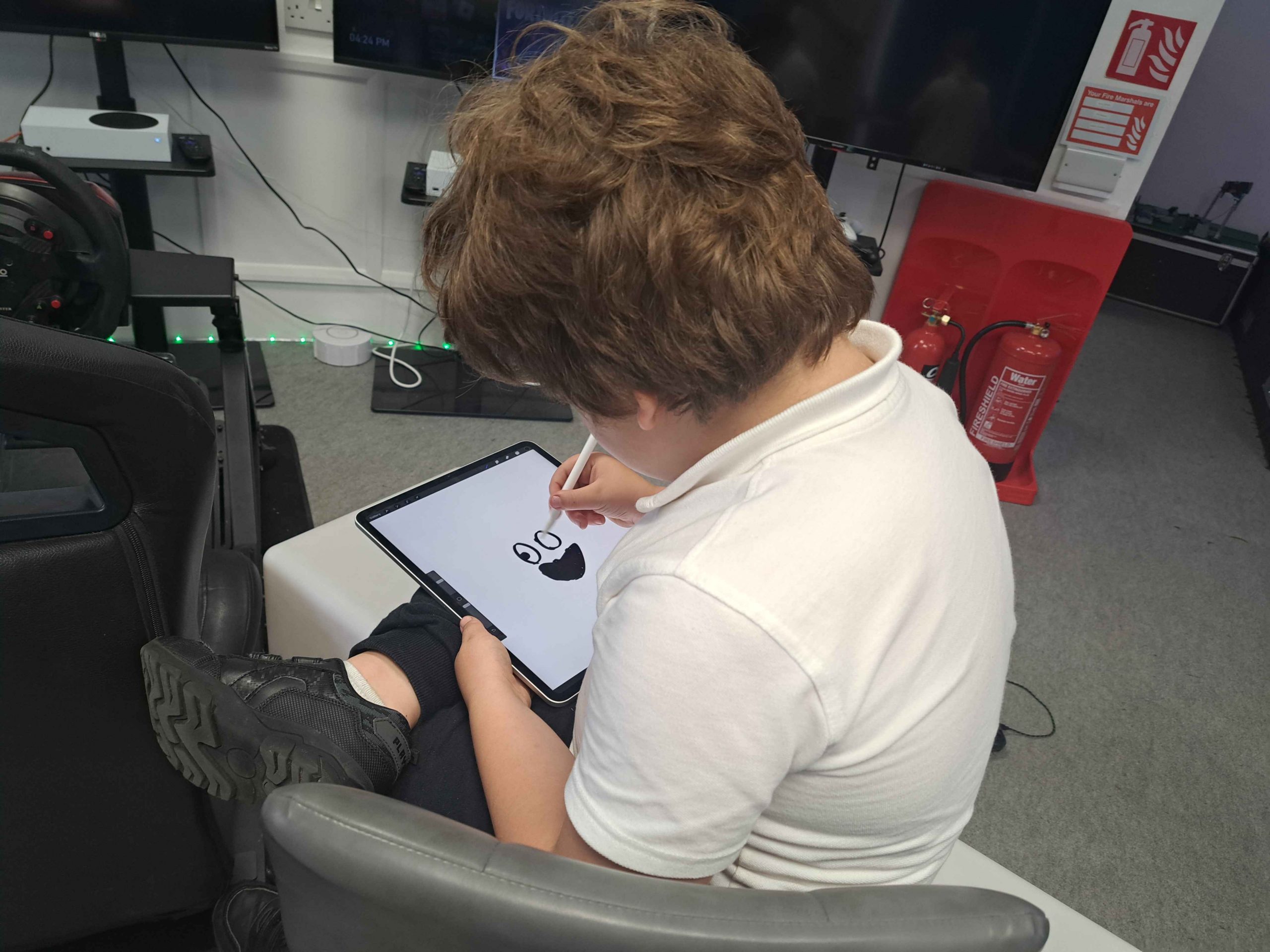
That's exactly what our clubs do. A young person who spends hours playing Roblox at home can come to a coding club and learn to make Roblox games instead of just playing them. Suddenly the same interest becomes productive. They're learning Lua scripting, game design principles, and how to publish something other people can play. Same screen, completely different outcome.
Turning Interest Into Opportunity
The UK games industry is worth over £7 billion and employs tens of thousands of people. Beyond gaming, coding and digital skills are needed in virtually every sector. When a young person learns to mod Minecraft or build a Roblox game, they're not just having fun — they're building a foundation for real career pathways.
We've seen young people go from "won't engage with anything" to producing genuinely impressive work in Unity or Unreal Engine. Not because someone forced them, but because someone showed them how to take the thing they already loved and do something meaningful with it.
A Different Way to Think About It
Next time your child is deep in a game, try asking them what they're doing instead of telling them to stop. You might hear about a surprisingly complex project. You might learn about game mechanics you'd never considered. And you might find an opportunity to say: "That's really cool — have you thought about learning how to build one of those yourself?"
Our coding clubs run after school and during holidays across Plymouth, Exeter, Taunton, Truro, and Portsmouth. We teach Minecraft modding, Roblox development, Unity game design, 3D modelling, and more. No experience needed — just enthusiasm and a willingness to try.
Because screen time spent creating, learning, and problem-solving? That's not something to feel guilty about.