
If you're reading this as a parent, there's a decent chance your mornings look something like this: the alarm goes off, and the dread sets in. Not yours — your child's. Maybe there are tears. Maybe there's a meltdown. Maybe they've simply stopped getting out of bed. School has become the thing your family organises itself around avoiding, and you're exhausted.
You're not alone. And it's not your fault.
When mainstream doesn't fit
The UK has seen a sharp rise in what's often called "school refusal" — though many families and professionals prefer terms like "school avoidance" or "emotionally based school non-attendance," because the young person isn't refusing out of defiance. They're in genuine distress.
For young people with SEND — particularly those with autism, ADHD, anxiety, or social, emotional and mental health (SEMH) needs — mainstream school can feel like being asked to run a marathon in shoes that don't fit, every single day. The sensory overload, the rigid timetables, the social complexity, the feeling of being constantly behind or constantly different — it adds up.
Some families fight for years to get the right support in school. Some get an EHCP. Some don't. Eventually, many reach a point where the young person simply can't walk through those gates any more.
What happens next?
This is where things get confusing. The local authority has a duty to provide education, but what that looks like varies wildly. You might hear terms like EOTAS (Education Other Than At School), alternative provision, or home tuition. You might get offered a few hours a week of online tutoring that your child refuses to engage with. You might get nothing at all for months while paperwork shuffles between departments.
It's a lonely, frightening time. Parents often feel blamed — by schools, by other parents, sometimes even by professionals who should know better. "Have you tried being firmer?" is not helpful advice when your child is having panic attacks at the school gates.
Where Player Ready fits in
Player Ready's alternative provision exists specifically for these young people. We're Ofsted registered, approved by over 40 local authorities across the South West and beyond, and we work with young people who've been out of mainstream education — sometimes for months, sometimes for years.
But we don't look like a school. That's deliberate.
Our sessions happen in relaxed, tech-equipped spaces (or online for those who aren't ready to leave the house yet). Young people work one-to-one or in small groups with specialist mentors who understand SEND, who know how to build rapport slowly, and who use gaming and technology as the hook to re-engage with learning.
We don't demand eye contact. We don't insist on a uniform. We don't start with "right, let's get back to maths." We start with: "What are you into? Show me."
What does a typical journey look like?
There's no single template — that's kind of the point. But here's a common pattern we see:
- Weeks 1-4: Building trust. The mentor and young person find common ground, usually through gaming. Sessions are short and low-pressure. Some young people barely speak at first. That's fine.
- Weeks 4-8: The young person starts to relax. They look forward to sessions. They might start opening up about their interests, their worries, what went wrong at school.
- Weeks 8-16: Learning starts to happen more visibly. Maybe they're learning to code through Minecraft, or working on a Roblox project that involves maths, design, and problem-solving. It's still fun — but it's also genuinely educational.
- Ongoing: Depending on their goals, young people can work towards qualifications, build portfolios, develop social skills through group sessions, and gradually increase their hours.
What about qualifications?
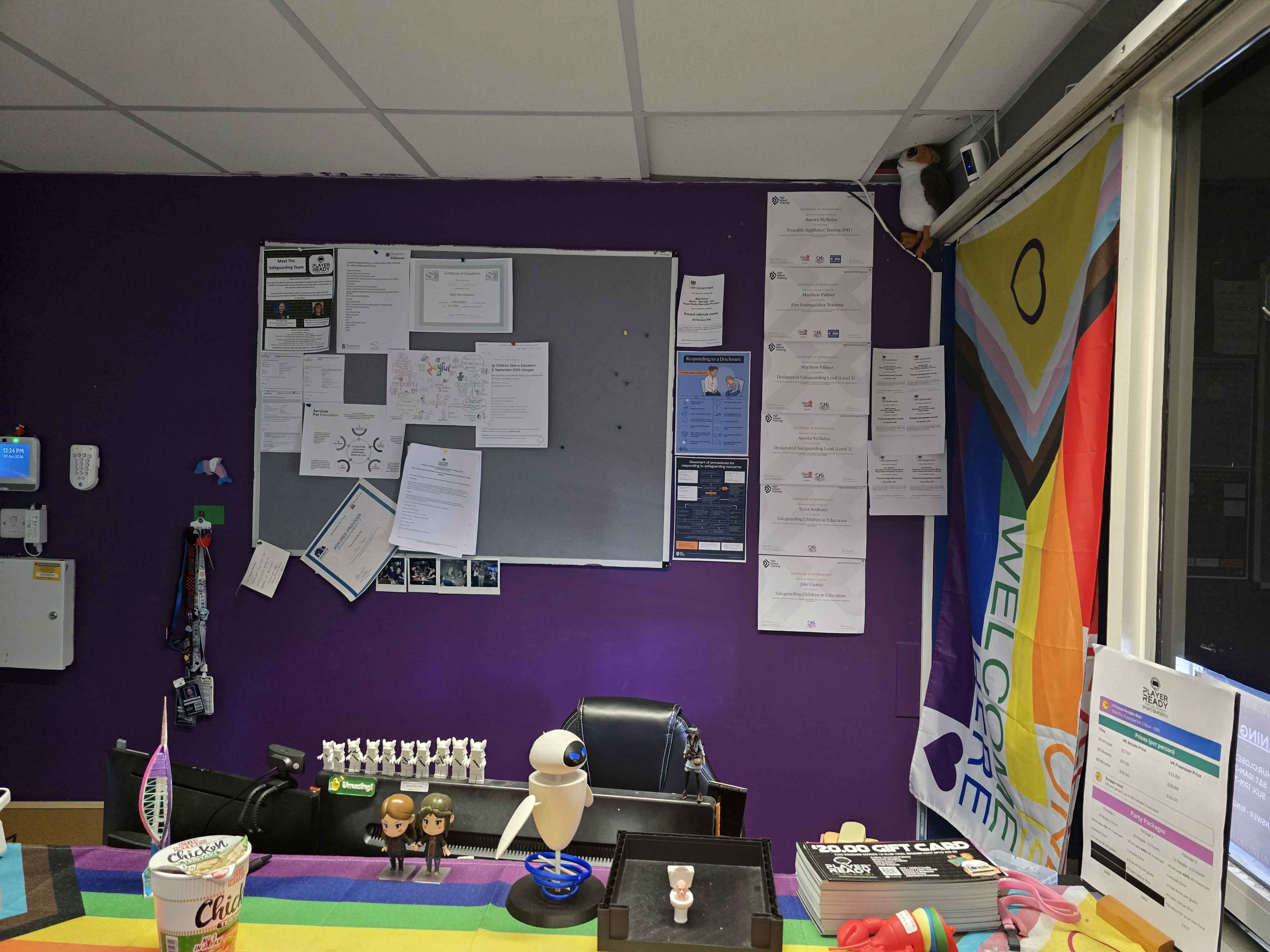
Yes, qualifications happen. We offer accredited courses and work with awarding bodies to ensure that the work young people do with us counts. But we're honest: for many of our young people, the first priority isn't a certificate. It's rebuilding confidence, re-establishing a routine, and remembering that learning doesn't have to feel awful.
The qualifications come when they're ready. And because they've built genuine skills and confidence by that point, they actually mean something.
How do referrals work?
Most of our referrals come through local authorities or schools, but parents can also get in touch directly. We work with families to understand what's happened, what the young person needs, and how we can build a programme that actually works for them — not a one-size-fits-all package.
We have venues across the South West — Plymouth, Exeter, Taunton, Truro, and Portsmouth — plus online provision for young people anywhere in the UK.
If your child is struggling with school and you're not sure what to do next, talk to us. No pressure, no sales pitch. Just a conversation about what might help.