If your child has a PDA profile, you already know the drill. The morning routine that turns into a two-hour standoff. The school that keeps saying "they just need firmer boundaries." The exhaustion of watching your child — who you know is bright and capable — shut down completely the moment someone says "you need to."
You're not imagining it. And it's not a parenting problem.
What PDA Actually Looks Like
Pathological Demand Avoidance is a profile within the autism spectrum where everyday demands — even ones the young person wants to do — trigger an anxiety-driven need to avoid. It's not defiance. It's not laziness. It's a nervous system that treats "open your textbook" with roughly the same urgency as "there's a fire."
Traditional schools are essentially demand factories. Sit here. Write this. Stop that. Line up. The bell means move. For a young person with PDA, every single one of those instructions is a potential trigger. By mid-morning, they're running on empty. By lunchtime, they're in crisis.
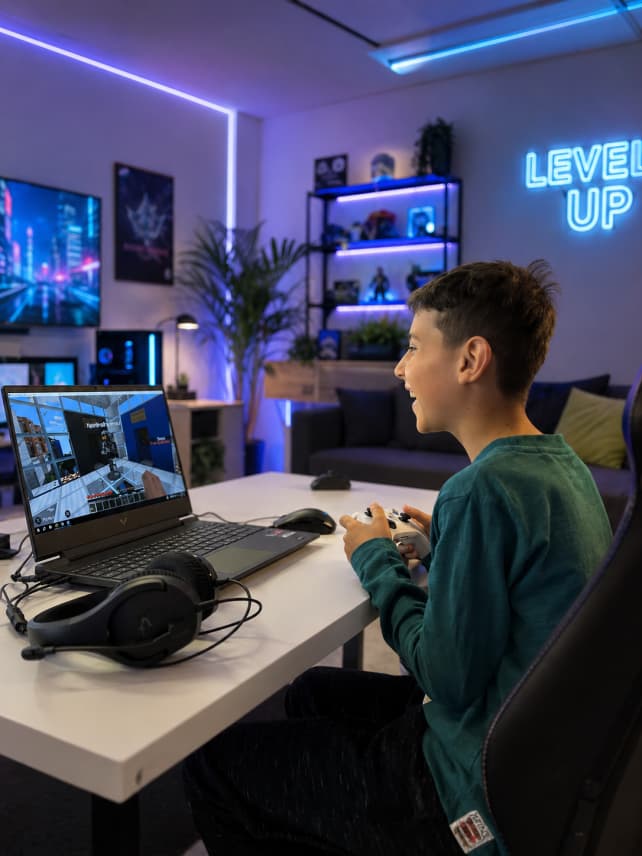
And yet these same young people will spend four hours building an intricate Minecraft world, or teach themselves Roblox Studio scripting from YouTube tutorials. Not because they're being contrary — because nobody told them to.
Why Gaming Removes the Demand
When we work with PDA learners in our alternative provision, we don't start with learning objectives or timetables. We start with a game.
Here's what changes:
- Choice replaces instruction. "What shall we build?" is fundamentally different from "Build this." The young person leads. The mentor follows.
- Collaboration replaces compliance. Playing together in Minecraft or Roblox means the mentor is a teammate, not an authority figure. That distinction matters enormously.
- Progress is intrinsic, not imposed. Nobody assigns a grade to a redstone circuit. The satisfaction of making it work is its own reward — and that's enough to keep going.
- Failure is low-stakes. Your character dies? Respawn. The build collapses? Rebuild. There's no red pen, no disappointed look, no note home.
How Our Mentors Work With PDA
Our mentors are trained to recognise demand avoidance and adjust in real time. That means using indirect language ("I wonder what would happen if..."), offering choices rather than instructions, and being genuinely comfortable with a session that doesn't follow a plan.
Some sessions, a young person will dive straight into coding a Roblox obby and the mentor weaves maths and logic in naturally. Other sessions, they'll just want to chat while exploring a Minecraft world — and that's fine too, because relationship-building is the work. You can't teach someone who doesn't trust you.
Over time — weeks, sometimes months — the trust builds. The young person starts accepting gentle suggestions. They try something new because their mentor mentioned it, not because they were told to. They begin to tolerate small amounts of structure because it's wrapped in something they actually enjoy.
What This Means for Parents
If you're reading this at the end of another difficult day, here's what we want you to hear: your child isn't broken. The environment was wrong, not them.
A gaming-based approach doesn't mean your child "just plays games all day." It means we meet them where they are and build from there. The skills they develop — problem-solving, communication, persistence, digital literacy — are real and transferable. And they develop them because they chose to, which is the only way it works with PDA.
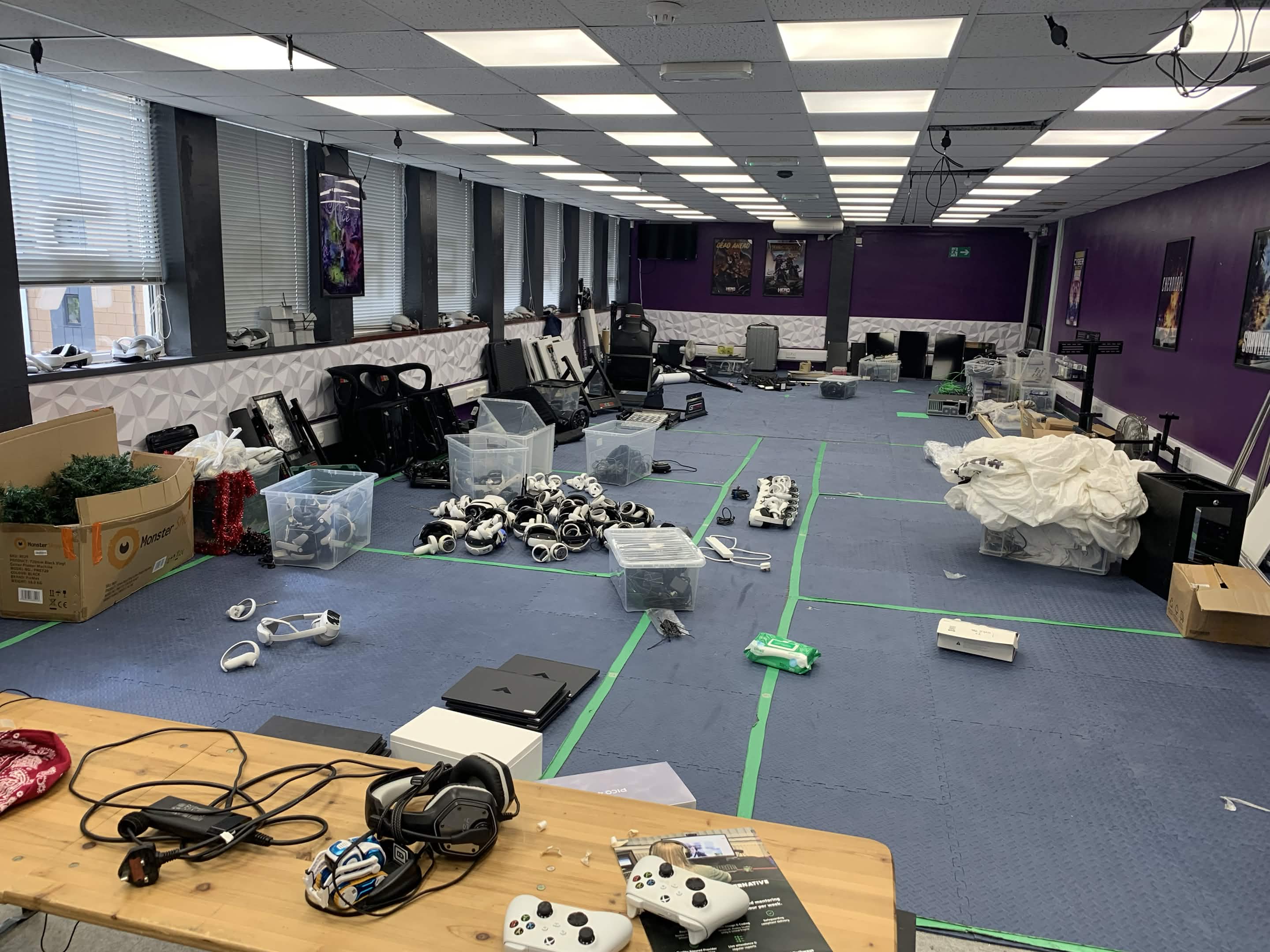
We offer both 1:1 sessions (online nationwide or in-venue) and small group sessions at our venues in Plymouth, Exeter, Taunton, Truro, and Portsmouth. Every approach is different because every young person is different — and with PDA, that flexibility isn't a nice-to-have, it's essential.
If you'd like to talk about whether we might be a good fit, get in touch. No pressure, no hard sell. Just a conversation about what might help.