EOTAS. It's one of those acronyms that gets thrown around in EHCP meetings, and nobody stops to check whether everyone in the room actually knows what it means. If you're a parent who's just encountered it for the first time — or you've heard it but aren't sure what it really involves — this is for you.
What Does EOTAS Mean?
EOTAS stands for Education Otherwise Than At School. It's a legal arrangement, usually specified in Section I of an Education, Health and Care Plan (EHCP), that says a child's educational needs should be met outside of a school setting.
This isn't the same as home education (sometimes called elective home education or EHE), where parents choose to take on the responsibility themselves. With EOTAS, the local authority retains responsibility for arranging and funding the provision. That's a crucial distinction.
When Is EOTAS Appropriate?
EOTAS is typically considered when:
- A young person's SEND means they cannot access a school environment, even with reasonable adjustments
- Severe anxiety, school-based trauma, or SEMH needs make attendance impossible
- Medical conditions prevent regular attendance
- Previous school placements have broken down due to unmet needs
- The young person is not attending school and all attempts to reintegrate have failed
It's not a last resort, though it sometimes feels that way. For many families, EOTAS is the first arrangement that actually works — because it allows education to be built around the young person rather than forcing the young person into a system that wasn't designed for them.
Your Legal Rights
This is where it gets important. Under Section 61 of the Children and Families Act 2014:
- If a child's EHCP specifies EOTAS, the local authority must arrange suitable education. They cannot simply leave you to it.
- The provision must be suitable to the child's age, ability, aptitude, and any SEN they have.
- You can request EOTAS at an annual review or during the EHC needs assessment process.
- If the LA refuses, you have the right to appeal to the SEND Tribunal.
In practice, some local authorities are more willing to agree to EOTAS than others. Some will suggest it proactively. Others will push back and insist on school placements that clearly aren't working. If you're facing resistance, organisations like IPSEA and SOS SEN offer free legal advice for parents.
What Does EOTAS Actually Look Like?
EOTAS doesn't mean one specific thing — it's a framework within which different types of provision can be arranged. It might include:
- 1:1 specialist tutoring or mentoring (in the home, at a venue, or online)
- Small group provision at a specialist setting
- A combination of different providers covering different subjects or skills
- Online learning with live mentor support
The hours vary too. Some young people on EOTAS receive 15+ hours per week; others start with much less and build up. The key is that the package should be tailored to what the young person can actually access and benefit from — not an arbitrary number pulled from a policy document.

How Player Ready Fits In
We're an approved alternative provision provider working with over 40 local authorities. Many of the young people we work with are on EOTAS arrangements, with our mentoring specified as part of their EHCP provision.
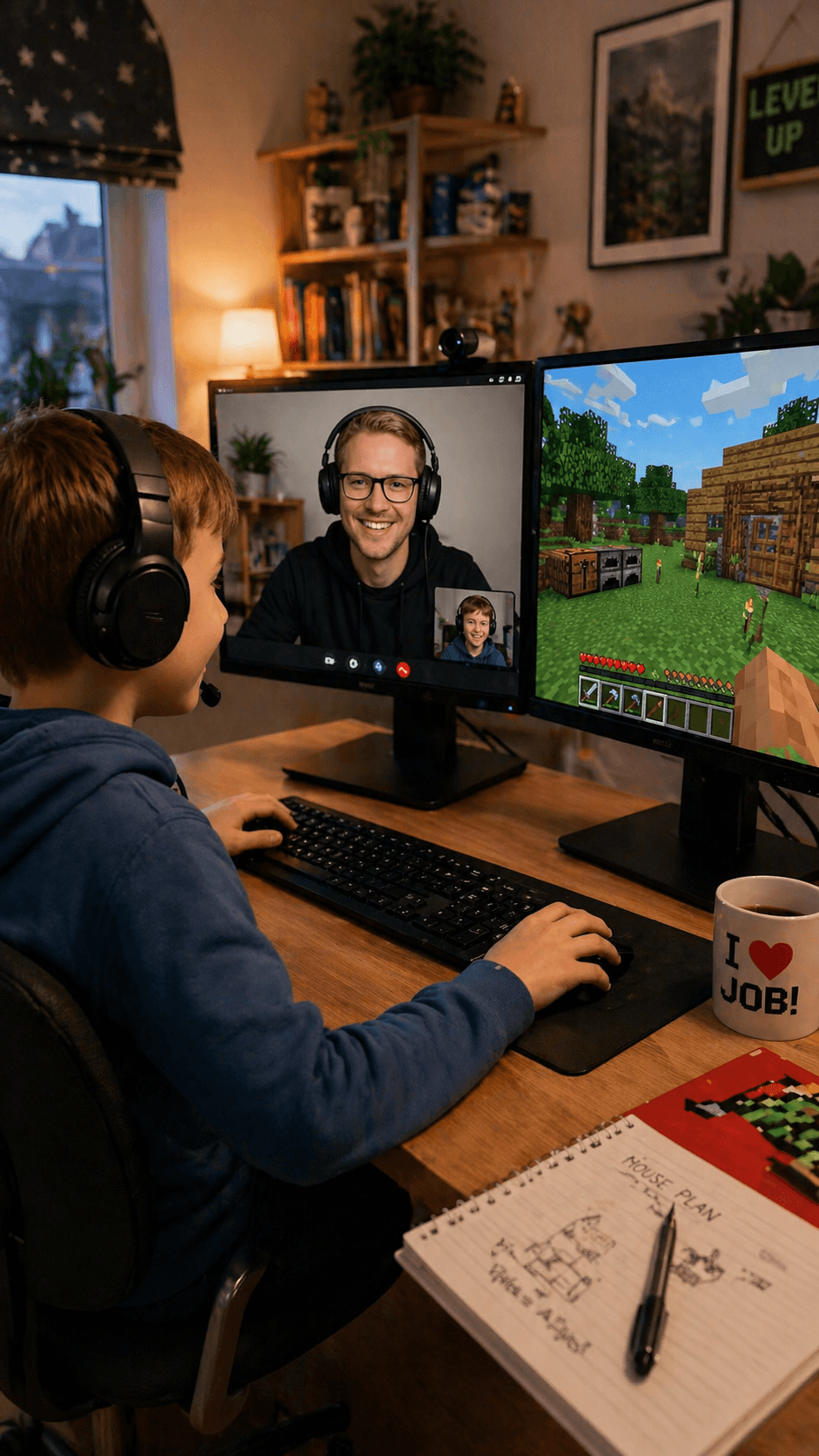
What that looks like in practice: a young person might have three sessions a week with us — two online and one at their nearest venue. Sessions are 1:1 with a dedicated mentor, built around technology and gaming (things like Minecraft, Roblox, coding, and game development). We report back to the local authority and attend annual reviews as part of the team around the child.
We also offer post-16 provision for older learners working towards accredited qualifications, which can be particularly valuable for young people whose EOTAS journey has put them outside the usual GCSE pathway.
Steps You Can Take Now
If you think EOTAS might be right for your child:
- Request an EHC needs assessment if your child doesn't already have a plan. You can do this through your local authority's SEN team.
- At the next annual review, raise EOTAS as an option and ask for it to be recorded in the minutes.
- Gather evidence — attendance records, medical letters, professional reports — showing that school is not meeting your child's needs.
- Get advice from IPSEA (ipsea.org.uk) or your local parent carer forum if you're unsure of the process.
You're also welcome to talk to us. We can explain how our provision works, help you understand what to ask for at reviews, and support the process of getting EOTAS agreed — even if you end up using a different provider. The goal is getting your child the education they deserve, whatever that looks like.