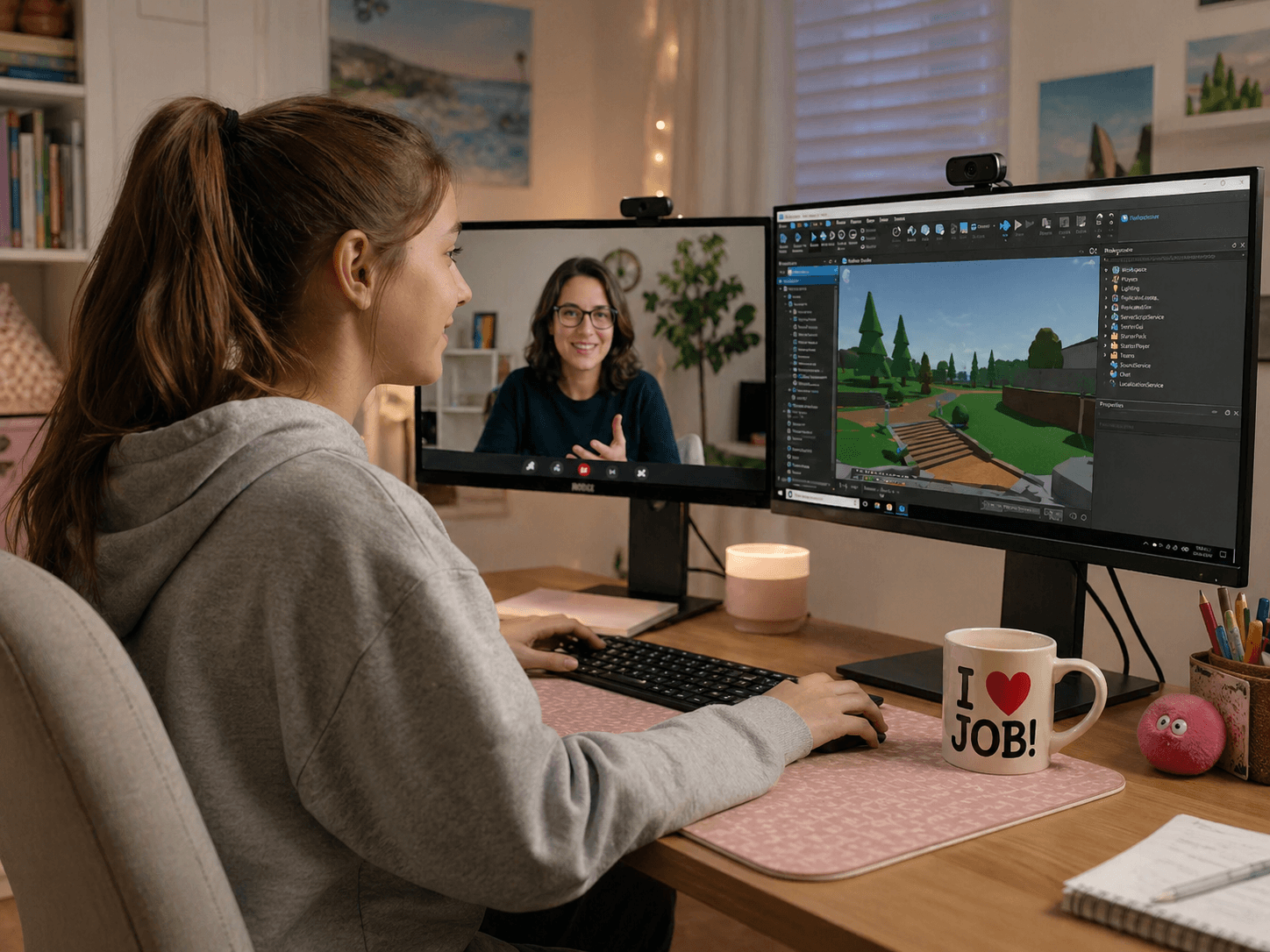
There's a question that comes up in almost every conversation we have with parents: "Why can my child work perfectly well with one person but completely fall apart in a classroom of thirty?"
It's a good question. And the answer isn't complicated — it's just rarely acknowledged by a system built around group instruction.
The Classroom Problem
A mainstream classroom asks a young person to do a remarkable number of things simultaneously. Process verbal instructions while filtering out background noise. Sit still in a chair that might feel wrong. Cope with fluorescent lighting, unpredictable peers, and the low-level hum of thirty people breathing, shifting, whispering. Navigate social dynamics during group work. Switch between subjects every hour. And somewhere in all of that, actually learn something.
For many neurodivergent young people, this isn't just difficult — it's overwhelming. The sensory input alone can consume so much processing power that there's nothing left for the actual learning. Add social anxiety, demand avoidance, or a history of being misunderstood, and you've got a young person in survival mode for six hours a day.
This isn't a failing of the young person. It's a mismatch between the environment and their needs.
What Changes With One Person
Strip all of that away. One room. One mentor. One young person. Here's what becomes possible:
The pace belongs to them. No waiting for the class to catch up. No falling behind because the lesson moved on. If something clicks in five minutes, move on. If it needs fifty minutes, take fifty minutes. If today's a bad day and nothing sticks, that's fine — come back to it next time. There's no curriculum clock ticking.
The environment can be controlled. Lighting, noise, seating, temperature — all adjustable. Some of our learners work best with music playing. Others need near-silence. Some pace while they think. Others curl up in a beanbag. In a classroom, these would be "disruptions." In 1:1, they're just how that person works best.
The relationship becomes the foundation. This is the big one. Learning is fundamentally a relational act — young people learn from people they trust. In a classroom of thirty, a teacher might manage a few minutes of individual connection per lesson. In 1:1, the entire session is connection. The mentor knows the young person's interests, their triggers, their good days and bad days. They know when to push gently and when to back off completely.
Trust Takes Time
We're honest about this: 1:1 mentoring isn't a magic switch. The first few sessions — sometimes the first few weeks — are often just about building trust. A young person who's had years of negative experiences with adults in authority isn't going to open up because someone new is being nice to them. They've seen that before.
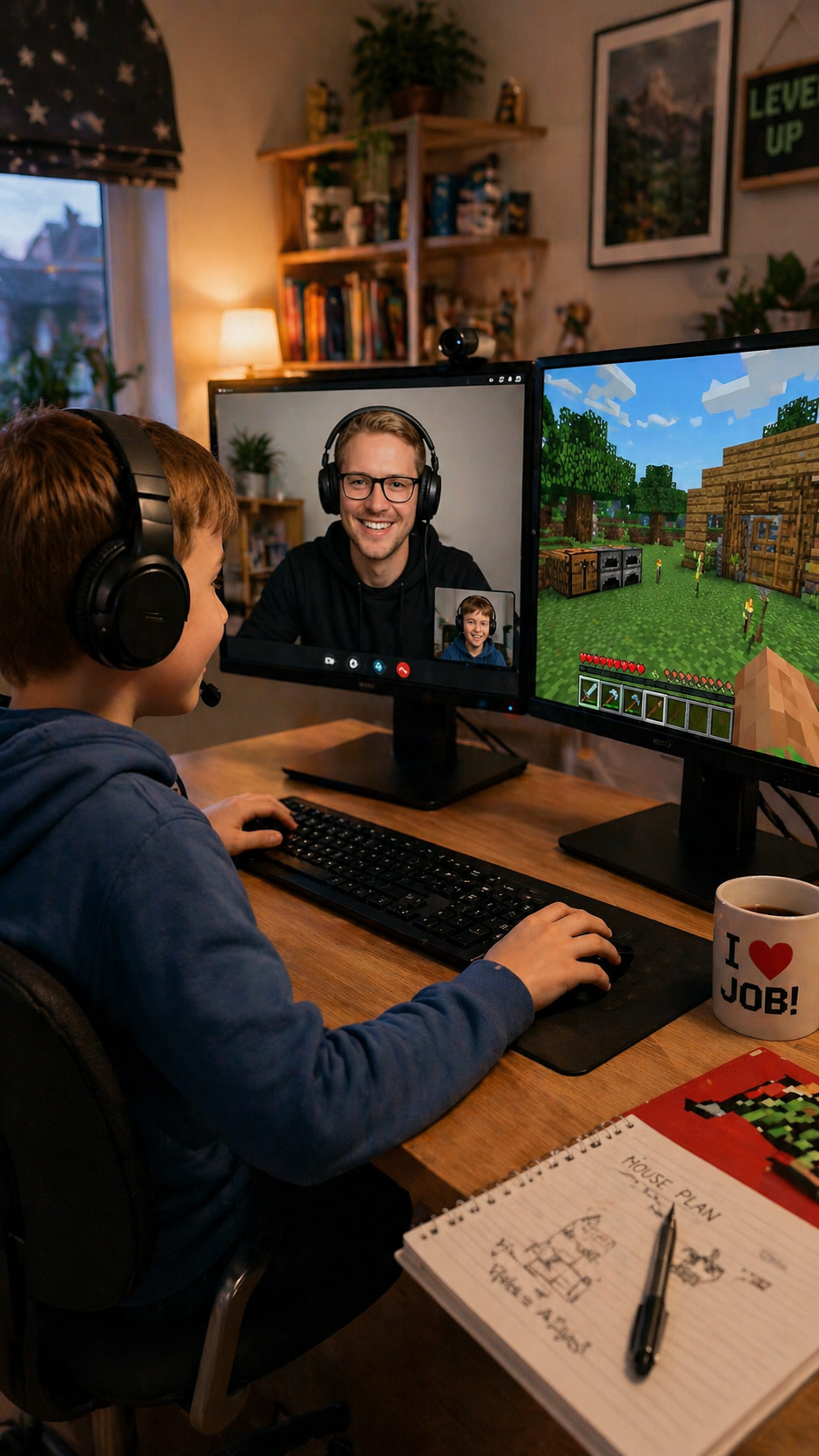
Our mentors know this. They don't arrive with lesson plans and learning objectives for week one. They arrive with genuine curiosity about what the young person is interested in. If that's Minecraft, they play Minecraft. If it's Roblox, they explore Roblox. If it's cars, music, or football, they start there and find the educational threads naturally.
Over time, something shifts. The young person starts to believe this adult isn't going anywhere. They're not going to give up, get frustrated, or pass them along to someone else. That consistency — that single, reliable, trusted person — is often the thing that was missing all along.
This Isn't Anti-School
We want to be clear: we're not saying schools are bad or that teachers don't care. Most teachers are doing extraordinary work in impossible conditions. A class of thirty with wildly different needs and one adult is a structural problem, not a personnel one.
But acknowledging that mainstream works brilliantly for many young people doesn't mean it works for all of them. And for those it doesn't work for, 1:1 mentoring isn't a lesser alternative — it's a better fit. Different, not deficient.
Some of the young people we work with eventually return to mainstream education, equipped with strategies and confidence they didn't have before. Others move into post-16 qualifications or vocational pathways. Some continue with us long-term because 1:1 is genuinely the right setting for them. All of those are good outcomes.
What Our 1:1 Mentoring Looks Like
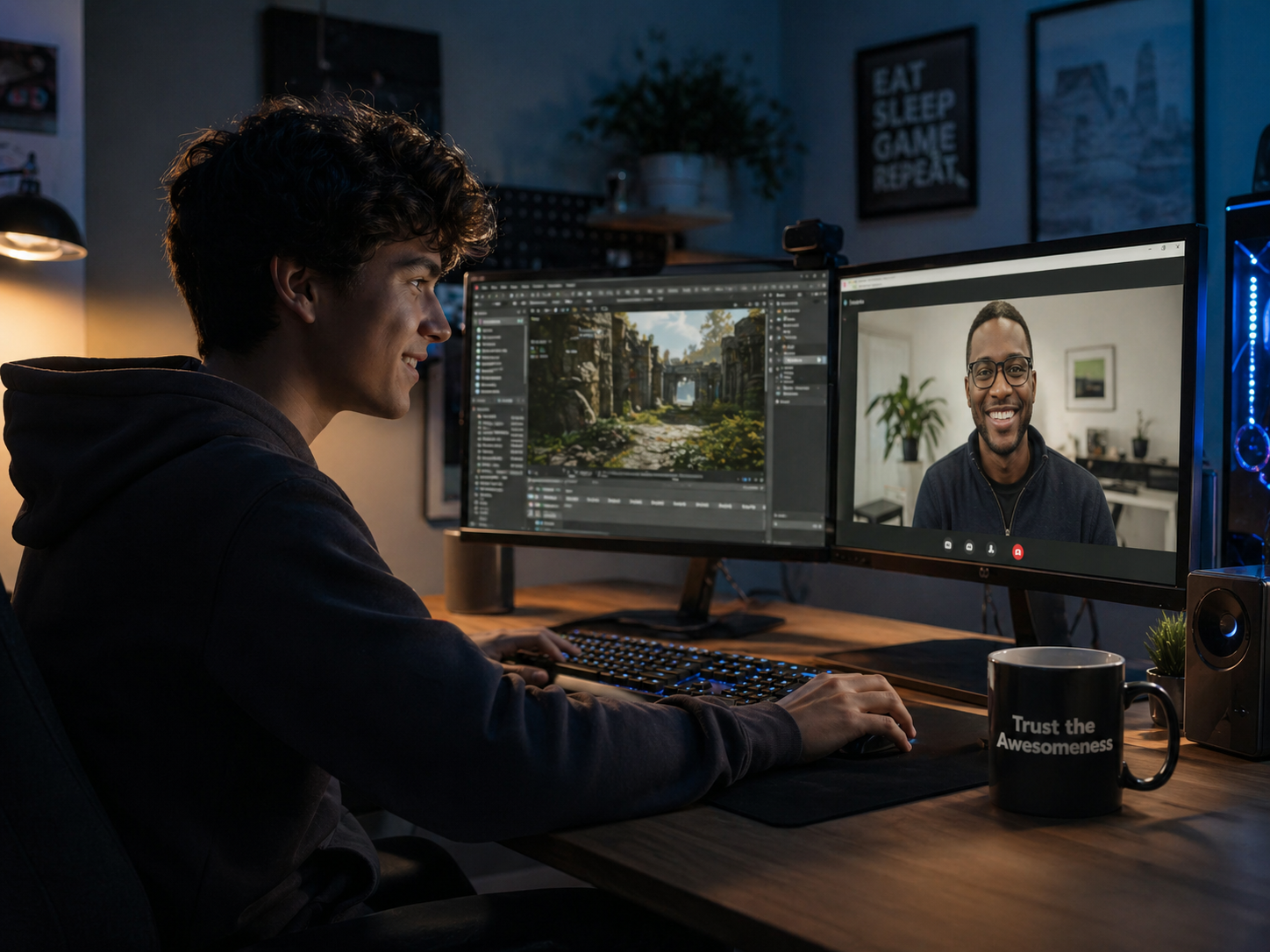
Every programme is individual. Sessions typically run between one and three hours, and most young people have two to four sessions per week. Mentoring happens at our venues in Plymouth, Exeter, Taunton, Truro, and Portsmouth, or online for families anywhere in England.
Sessions are built around technology and gaming — not because it's gimmicky, but because it works. Young people engage with Roblox development, game design in Unity, Minecraft builds, and coding challenges because they're intrinsically motivating. The learning happens through the activity, not despite it.
We're Ofsted registered, approved by over 40 local authorities, and our alternative provision can be funded through EHCPs, direct school commissioning, or privately.
If you think your child might benefit from a different approach, get in touch. We'll talk honestly about whether we're the right fit — because the right match matters more than any sales pitch.